Retaining Walls in Bli Bli
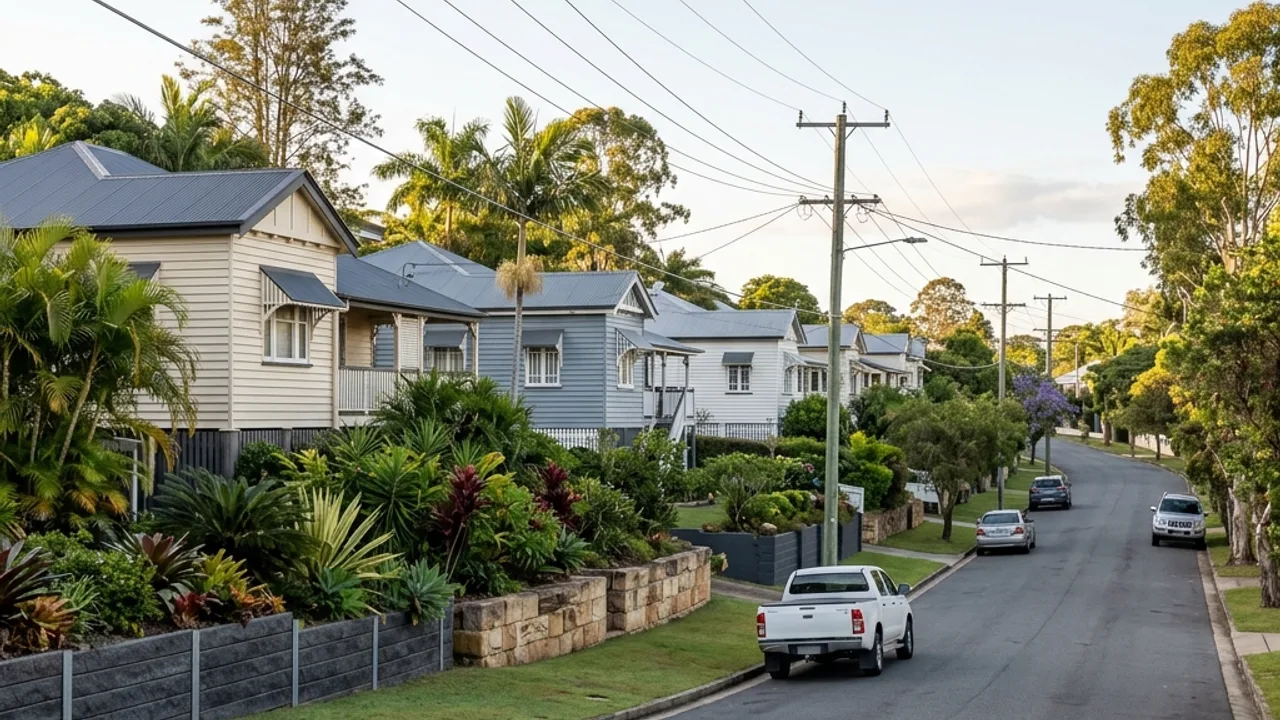
Housing sits on rising ground above the Maroochy River's former cane wetlands, now protected floodplain. The suburb splits sharply between sloping clay-soil hillside estates such as Cutters Ridge and soft low-lying flats near the river, so hillside cut-and-fill walls dominate the newer releases.
Bli Bli splits sharply. The newer hillside estates sit on sloping clay soils on rising ground, and the older low-lying land near the Maroochy River is soft former cane country, now protected floodplain. A wall on one is not a wall on the other.
Tell us whether the block is on the hillside or the flat, the wall height and length and what sits above the wall line, and we will help you get a written quote from a licensed specialist.
Surcharge load questions on Bli Bli hillside estates
On the hillside estates the retaining is cut-and-fill work, with house pads benched into the rise and boundary walls holding the difference between one pad and the next. Because the pads are close together, the wall is frequently within a metre or two of a building or another retaining wall, and that proximity generally triggers building approval on its own.
Surcharge is the other trigger that bites here. A driveway climbing to a benched pad, a shed slab set at the back of a lot, or a pool built into the cut all bear on the ground behind the wall. Where any of those sits inside the zone of influence, approval is generally required regardless of how low the wall is.
The material that suits hillside clay is concrete sleeper between galvanised posts for the general work and core-filled block where the wall is taller or has to be rendered against the house. What matters more than the choice is the backfill: clay pushed back into the trench holds water against the wall, and free-draining aggregate with an ag drain and geofabric behind it is what QDC NMP 1.7 is asking for.
Down on the flats near the river the conversation changes entirely. The ground is soft, the water table is high, and the fall is negligible, so a wall there is a foundation and drainage problem rather than an earth-pressure one. Outlets need somewhere to discharge that actually runs, and settlement rather than overturning is the failure mode to design against.
Because the hillside releases are relatively recent, much of the retaining up there is original to the house. The common enquiry is not a failing wall but an owner wanting to extend, raise or landscape around a wall the builder put in to the minimum the original approval required.
What we work out first on a Bli Bli block
Hillside estate or river flat
Cutters Ridge and the sloping releases are an earth-pressure problem. The low ground near the river is a foundation and drainage problem.
What is loading the ground behind the wall
Driveways, sheds and pools on benched estate lots put a surcharge load behind walls that look far too small to be regulated work.
How close the wall is to a building
Within 1.5 metres of a building or another retaining wall, approval is generally required even at low height with nothing above.
Tell us what is happening in Bli Bli and we will help you take the next step.
Why Bli Bli owners use our help
The two halves of the suburb get different answers
A specification written for a Cutters Ridge slope will not suit a block on the low ground, and we establish which one you are on first.
Backfill is specified, not assumed
On hillside clay the material that goes back behind the wall matters as much as the wall itself, and it is easy to leave vague in a quote.
Licensed specialists carry out the work
Licensing follows the value of the building work rather than wall height, and the specialists in our network hold the licence.
About Bli Bli
Bli Bli sits above the former cane wetlands of the Maroochy River, with Sunshine Castle as its best-known landmark and the David Low Bridge carrying traffic across the river at the eastern edge. Bli Bli State School and Good Samaritan Catholic College serve the residential streets, and the Maroochy River Golf Club occupies the flatter ground toward the water.
The housing runs from older homes on the original village streets around Kay Avenue and Nabal Street through to newer estate releases climbing the rise, including the Cutters Ridge area. Avocado Crescent and the surrounding streets carry names from the district's farming past, which is a fair description of what the ground was doing before the estates arrived.
What Bli Bli ground does to a wall
The suburb sits at the boundary between two very different settings. The rise carries clay-influenced soils on genuine slope, where cut-and-fill benching for house pads is what created most of the retaining. The low ground toward the Maroochy River is soft former wetland, now protected floodplain, and it behaves like the estuarine flats further downstream.
That gives a suburb where two owners a few hundred metres apart face opposite problems. On the rise, walls lean when the backfill holds water and the drain was never built. On the flat, walls settle and go out of level while remaining perfectly plumb, because the ground beneath them compresses. Around Kathleen Drive and Cooper Street the older village blocks sit somewhere in between, which is exactly why the first question on a Bli Bli enquiry is where the block sits rather than what the wall is made of.
Retaining Walls services available in Bli Bli
The hillside estate blocks and the soft river flats call for different walls, so start from where in the suburb the block sits. Pick the closest option, or send the height and what sits above the wall line.
Get help with your Bli Bli project
Get a written quote for your Bli Bli retaining wall
Send the street, the height and length of the wall and what sits above it, and we will help you get it in front of a licensed specialist.
Nearby suburbs and localities
Bli Bli adjoins Maroochy River, Rosemount, Pacific Paradise, Diddillibah. We work across those localities as well as the ones with their own page below.